

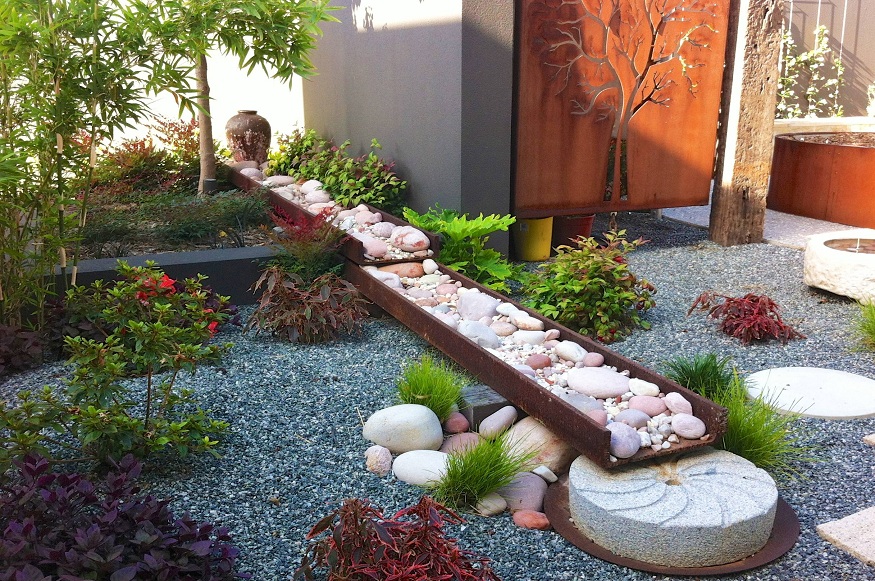
As we become more mindful of our environmental impact, sustainable garden design is gaining popularity. Whether you have a large backyard or a small urban space, creating an eco-friendly garden makeover can be a fulfilling way to connect with nature while reducing your carbon footprint. By using eco-friendly materials, native plants, and sustainable practices, you can build a garden that thrives with minimal impact on the environment. In this article, we’ll explore some practical, green ideas to transform your outdoor space into an environmentally friendly haven, including how composite decking and fencing can contribute to your sustainable garden makeover.
1. Choose Eco-Friendly Materials
One of the key principles of sustainable garden design is selecting materials that are both durable and environmentally friendly. Traditional wood, while natural, often requires frequent maintenance, treatment, and eventually, replacement. Instead, consider using materials that offer longevity without sacrificing sustainability.
Composite Fencing: Composite materials, made from a mix of recycled wood fibres and plastic, are an excellent choice for eco-conscious gardeners. Composite fencing not only looks great but also offers significant environmental benefits. It’s made from recycled content, reducing the need for virgin wood and plastic production. Plus, it’shighly durable, resistant to rotting, and requires little maintenance, minimising waste over time. By choosing composite fencing, you’re investing in a long-term solution that supports sustainability while enhancing your garden’s aesthetics.
Stone and Gravel: Natural stone and gravel can also be used for pathways, borders, or patios. These materials are sustainable because they are long-lasting and require no additional chemical treatments. They create a rustic, natural look that blends beautifully with any garden design.
Composite Decking: For those looking to add a seating area or outdoor space, composite decking is a sustainable alternative to traditional wood. Like composite fencing, it is made from recycled materials, reducing deforestation. Its durability means fewer replacements over time, making it a smart choice for eco-friendly outdoor spaces. Composite decking is also available in various colours and textures, allowing you to seamlessly integrate it into your garden’s design.
2. Incorporate Native Plants
Plants are the heart of any garden, and selecting the right ones can make a big difference in creating an eco-friendly space. Native plants, in particular, are well-suited to your local climate and soil, making them more resilient and requiring less water, fertiliser, and maintenance than non-native species.
Read More: Artificial Turf in Texas: A Smart Choice for Lawns
Low Water Usage: By using native plants, you’ll naturally reduce the need for frequent watering. These plants have adapted to the natural rainfall patterns in your area and can thrive with less irrigation, which is crucial for conserving water—an essential element of sustainable gardening.
Support Local Wildlife: Native plants also provide food and shelter for local wildlife, such as birds, insects, and pollinators. By incorporating these plants, you’re helping maintain the local ecosystem and promoting biodiversity in your garden. Consider planting species that attract bees and butterflies, which are vital for pollination and overall garden health.
Plant in Layers: Mimicking the natural layers of forests—ground cover, shrubs, and trees—can create a self-sustaining mini-ecosystem in your garden. This method not only helps with soil health and moisture retention but also reduces the need for fertilisers and other chemical interventions. It also gives your garden a lush, full appearance while supporting a variety of plant life.
3. Use Rainwater Harvesting Systems
Water conservation is a crucial component of sustainable garden design, and rainwater harvesting systems can help you make the most of natural rainfall. These systems collect rainwater from your roof and store it in barrels or tanks, which you can then use to water your plants, wash outdoor spaces, or fill garden ponds.
Easy Installation: Rainwater harvesting systems are easy to install and come in a variety of sizes, making them adaptable to gardens of all shapes and sizes. Even a small rain barrel placed under a gutter can save hundreds of gallons of water each year, reducing your reliance on treated tap water for irrigation.
Reduce Runoff: In addition to conserving water, these systems help reduce runoff that can cause soil erosion or carry pollutants into local waterways. By capturing rainwater, you’re also contributing to the health of your local environment by preventing excess water from overwhelming drainage systems during storms.
4. Opt for Permeable Surfaces
Another way to enhance sustainability in your garden is to use permeable surfaces that allow water to penetrate the soil, rather than causing runoff. Traditional concrete and asphalt create impermeable surfaces that prevent water from being absorbed into the ground, leading to erosion and flooding in some cases.
Gravel and Mulch Pathways: Instead of solid pavement, use gravel, mulch, or permeable pavers for pathways and patios. These materials let rainwater seep through to the soil, helping maintain healthy moisture levels in your garden. Mulch, in particular, also helps prevent soil erosion and suppresses weeds, reducing the need for chemical treatments.
Read More: How to arrange your garden?
Green Roofs: If you have a garden shed or other outdoor structure, consider installing a green roof. These living roofs are planted with vegetation that helps absorb rainwater, reduces heat buildup, and improves air quality. They also create a striking visual feature that enhances the sustainability of your entire garden.
5. Compost and Mulch
Composting is an essential part of any eco-friendly garden makeover. By composting organic waste, such as kitchen scraps and garden clippings, you create nutrient-rich soil that helps your plants thrive without synthetic fertilisers. Composting reduces the amount of waste sent to landfills and cuts down on the need for chemical additives in your garden.
Mulch for Moisture Retention: In addition to compost, use organic mulch around your plants. Mulch helps retain soil moisture, reduces evaporation, and keeps roots cool during hot weather. It also breaks down over time, adding valuable nutrients back into the soil.
For wider commercial, hospitality, or public-facing projects, small supporting details can make the finished space feel more complete. Hand dryers can support cleaner, more efficient washroom facilities; while traditional signage can add character, direction, and brand presence; while digital signage can share changing information, promotions, menus, or wayfinding updates clearly.
Conclusion: A Garden That Gives Back
Creating a sustainable garden is all about making choices that benefit both you and the environment. By using eco-friendly materials like composite fencing and decking, incorporating native plants, conserving water with rain harvesting systems, and making thoughtful landscaping decisions, you can transform your outdoor space into a sustainable oasis. These changes not only reduce your environmental impact but also result in a garden that’s low-maintenance, visually appealing, and supportive of local ecosystems. Sustainable gardening allows you to enjoy your outdoor space while contributing positively to the planet—an investment that benefits everyone.