

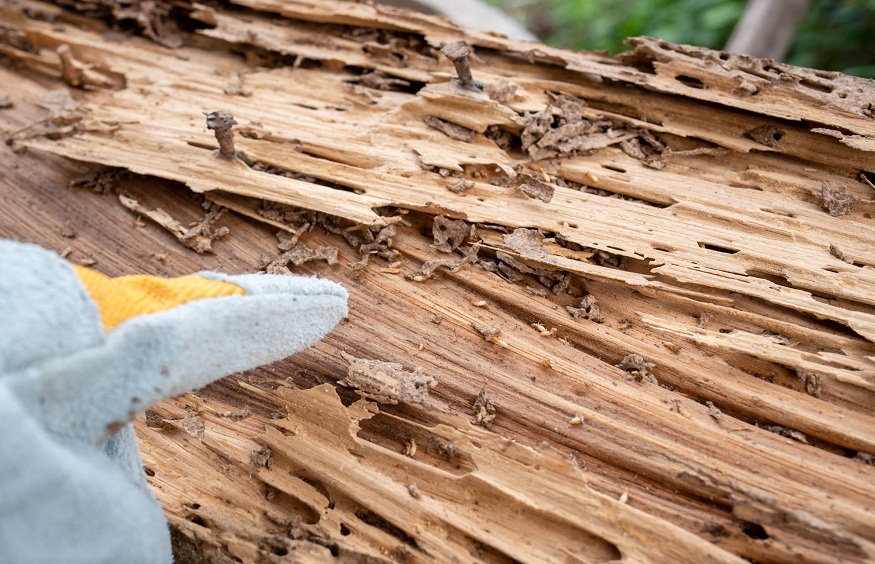
Winter does not stop termites, and in Phoenix, there is no seasonal slowdown; termites are active month after month. And with around 80% of homes in the Valley having stucco exteriors, there is a problem that almost every homeowner does not know they have. Stucco had been neater and lower maintenance, but it consisted of layers that make termites surprisingly mobile; as they eat, they leave no evidence outside the wall. Having your home inspected by greenmangopest.com is a proactive step every stucco homeowner in Phoenix should take before the damage goes too deep to ignore.
Why Phoenix Stucco Homes Are a Termite’s Ideal Target
Phoenix’s scorching heat does not prohibit termites; they just change direction. Heterotermes aureus (Sonoran Desert termite) lives underground in moist areas. Stucco walls, especially those equipped with minor fractures or possibly built incorrectly, prevent dampness behind their exterior, the dark, wet space these termites desire. Coincidence or not, Maricopa County always ranks on the list of the most actively infested counties with termites in Arizona.
Read More: Does The Blackland Prairie Soil In Coppell Help Termites Reach Your Home?
With clay soil, irrigation-heavy landscaping, and stucco subdivisions jammed snugly together down to the ground, subterranean termites have all they could ever want at the base of your walls.
How Stucco Physically Hides Termite Activity
1. The Problem with Stucco’s Layered Structure
Stucco is not just one coat of material; it is three. It leaves a shell around your wood framing in three layers known as scratch coat, brown coat, and finish coat. The shell you are in also creates unseen channels. Termites moving upward from the ground can go through these layers, access the OSB sheathing and wood studs behind them, and do significant structural damage, all in the absence of any visible external evidence.
2. Why Standard Visual Inspections Often Miss the Signs
A simple walk-around is not good enough for stucco homes. This is what does not really come out without special probing:
- Mud tubes standing upright behind the finish coat, dormant until the stucco is breached
- OSB sheathing that appears to be in good condition on the outside, but is damaged under a scratch coat
- Hollow or weakened structure plus a wood frame in the wall cavity, so it looks live, but the house is sick
- Termite entry areas at or below the weep screed line, directly at ground level, where stucco meets the foundation
Warning Signs Phoenix Homeowners Should Not Ignore
| Warning Sign | What It Likely Means |
| Paint bubbling on exterior stucco walls | Moisture buildup, possibly from termite activity behind the surface |
| Hairline cracks near the foundation | Potential termite entry points along the base of the wall |
| Hollow sound when tapping the wall | Wood framing behind stucco may already be compromised |
| Discarded wings near windowsills or doorways | Swarmers have been active; a colony may be nearby |
| Soft or spongy baseboards indoors | Interior wood damage likely linked to wall infestation |
If you notice any of these signs in your Phoenix home, there is one answer: call a professional. Not cosmetic things to cover it up. It goes without saying that on a stucco home, what’s visible is rarely the whole story.
The Real Cost of Late Detection in the Phoenix Market
Catching termites late is expensive. Untreated infestations can lead to damage ranging from $3,000-$8,000 or more in structural repairs for Arizona homeowners when undetected over time. And newer builds are not immune. Subterranean termites do not care whether your home is five years old or 25; they have a preference for styrofoam and stucco subdivisions in hot spots such as Peoria, Gilbert, and Chandler. If the conditions are even close to where they need to be, they will find a way in.
What a Proper Termite Inspection of a Stucco Home Involves
More than a flashlight and a checklist: When it comes to inspecting a stucco home, again, the specific construction itself calls for a tailored methodology. An inspector should dig deeper than just checking behind walls to see what is actually taking place.
A termite inspection that’s extensive, specifically for stucco, should have:
- Testing the moisture meter around the home exterior, pin walls
- Probing on the foundation line – that’s where most termites enter
- Examining the weep screed – The minuscule gap where stucco begins, and termites crawl through to find entry.
- Checking for the presence of termites in the attic framing that may have moved up from the wall cavities
Saela Pest Control and other local services know Phoenix’s termite pressure as well as the special hurdles stucco construction brings. For Valley homeowners, that localized knowledge is significant.
Read More : How to Make a Citrus Carpet Cleaner
Conclusion
Termite damage is secretive, especially in a stucco home. The silver lining is that early detection can happen; you just have to really know what the warning signs are and work with someone who understands the unique conditions in Phoenix to want a second opinion. Act before your damage becomes apparent. In this environment, and in this building type, proactivity always beats reactivity.