

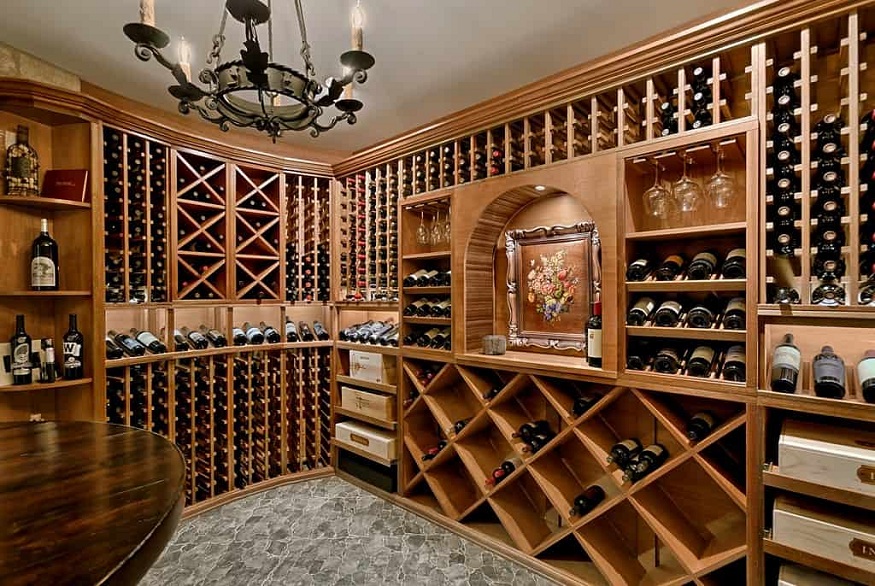
Wine storage needs more than just a cold, dark environment—materials play an important role. The quality of your wine cellar shelves and racks affects not only the longevity of your wines, but also the aesthetics and usefulness of the entire space. Choosing the right material is crucial to maintaining the quality of fine wine. Consider Built-in wood wine cellar shelving a perfect wine storage solution.
If you’re a wine enthusiast, a homeowner designing a bespoke basement, or an interior designer looking to create a magnificent environment for your customers, this guide will help you make informed choices regarding the best materials for wine cellar shelves and racks.
Why Material Selection is Important for Wine Storage
Not every material is good for wine preservation. Wine is light-, temperature-, and humidity-sensitive; thus, the materials you use must be suitable for these storage conditions. Furthermore, wine cellars serve the dual purpose of displaying a collection and preserving bottles. From durability to style, the materials used for your shelves and racks play an important part in combining function and design.
Read More: Maximizing Solar Efficiency: Key Factors and Solutions for Your Home
Factors to consider while picking materials are:
- Durability: Can the material sustain the weight and conditions found in a wine cellar?
- Moisture Resistance: Is it capable of handling the cellar’s controlled humidity levels?
- Aesthetic Appeal: Does the material match your preferred design style?
With these variables in mind, let’s look at the best materials for wine cellar shelves and racks.
Best Materials for Wine Cellar Shelves and Racks
- Solid Wood
Wood is a traditional material for wine racks and shelves due to its timeless appeal and versatility. Its natural warmth offers a welcoming and sumptuous aesthetic, making it an excellent choice for both traditional and modern wine cellar designs.
Why Opt for Solid Wood?
- Durability: Strong enough to support large bottles without bending or warping are woods like oak, redwood, and mahogany.
- Moisture Resistance: Certain wood species, such as teak and redwood, are ideal for wine storage settings because they naturally withstand moisture and humidity.
- Customizable: To accommodate a variety of design tastes, wood can be painted, stained, or left unaltered.
Drawback: Over time, some softer woods may be more vulnerable to dents or scratches, particularly in the cellar’s high-traffic areas.
- Stainless Steel
Stainless steel is the best option for a sleek, contemporary appearance. This sturdy and low-maintenance material is ideal for modern rooms or simple wine cellars.
Read More: Brewing Up Reliability: Powering Your Coffee Ritual with Jackery Solar Generator 2000 Plus
The Reasons for Selecting Stainless Steel
- Durability: Robust and impervious to bending under the weight of a large bottle.
- Moisture Resistance: Stainless steel has a long lifespan because it is unaffected by the high humidity levels found in wine cellars.
- Aesthetic: It gives any wine cellar design a modern, industrial edge with its polished, clean appearance.
Drawback: When compared to wooden racks, stainless steel racks might occasionally feel colder or less welcoming.
- Acrylic
Because it can provide a really striking presentation, acrylic is a material that is becoming more and more popular in wine room design. Because acrylic is lightweight and transparent, bottles appear to be “floating” in midair.
Why Opt for Acrylic?
- Visual Appeal: Distraction-free, completely clear shelves showcase your wine collection.
- Moisture Resistance: Acrylic is a sensible option for wine storage because it is unaffected by dampness.
- Lightweight: Because acrylic is substantially lighter than metal or wood, installation is simpler.
Drawback: Compared to steel or wood, acrylic is less resilient and can eventually fade or scratch.
- Stone
Stone provides unmatched charm and a sense of permanence for those seeking a rustic or natural appearance. A wine cellar’s walls are usually constructed with stone shelving and racks, giving it a unique appearance that feels rooted in the ground.